
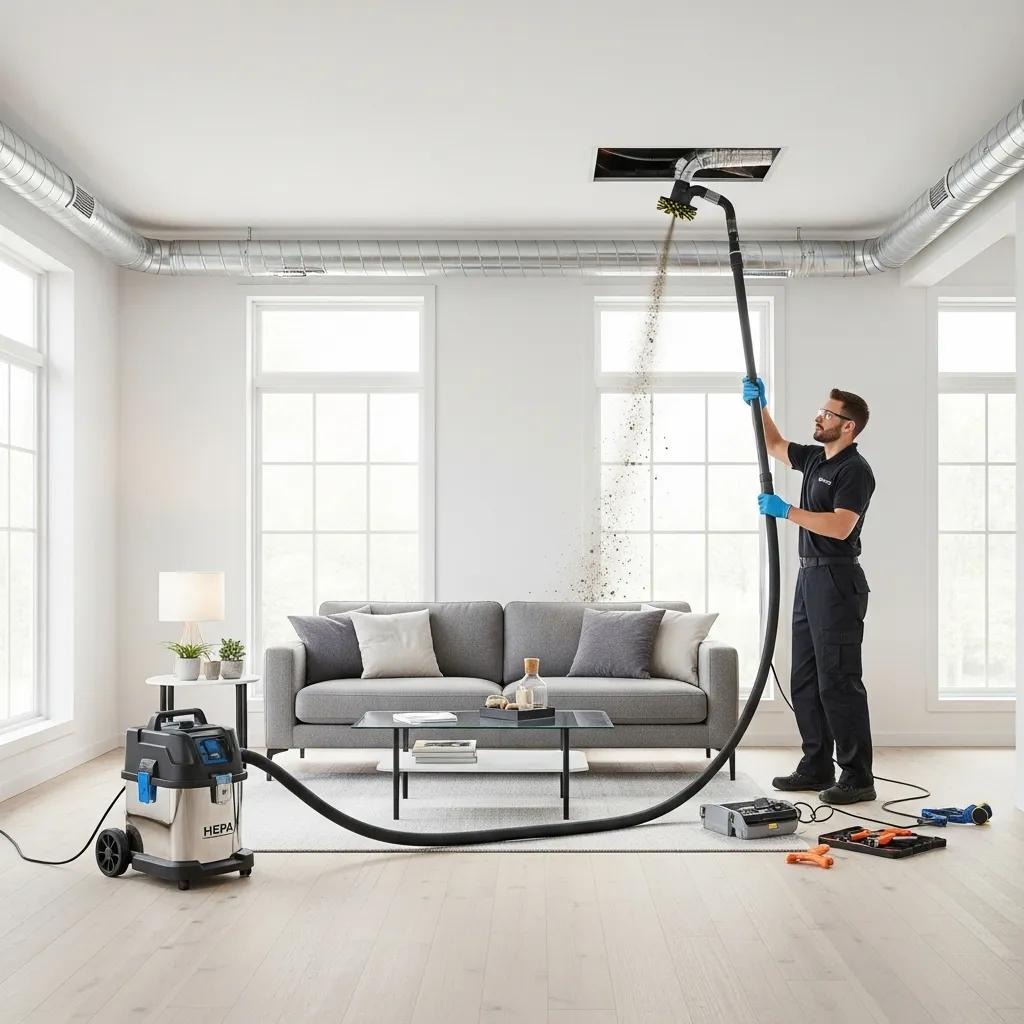
Air duct cleaning is a routine maintenance task that removes dust, allergens and other contaminants from HVAC ducts, vents and components. Professional cleaning improves indoor air quality, helps HVAC systems operate more efficiently and increases household comfort. This article outlines the main benefits and practical guidance for scheduling regular service.
Key Benefits of Professional Air Duct Cleaning
Professional duct cleaning supports home health and system performance by removing built-up dust and contaminants. The primary benefits are:
- Improved Indoor Air Quality : Regular cleaning reduces dust, mold and pollutants that can degrade indoor air and aggravate allergies.
- Health Impacts : Cleaner ducts can lower airborne allergen levels, benefiting children, older adults and people with respiratory conditions.
- Enhanced HVAC Efficiency : Clear ducts restore airflow, improving system performance and reducing energy use.
- Cost-Effectiveness : Preventing buildup can reduce repairs and extend HVAC service life, saving money over time.
- Comfort : Clean ducts help maintain even temperature distribution and consistent indoor comfort.
Quality HVAC, a heating and cooling provider based in the San Francisco Bay Area, specializes in HVAC system maintenance, including ductwork services . Their technicians use industry-standard tools and procedures to clean ducts thoroughly and safely.
Improved Indoor Air Quality

Professional cleaning removes contaminants that accumulate in ductwork—dust, pollen, pet dander and mold spores—reducing the particles circulated through the home. Residents with allergies or asthma commonly notice fewer symptoms after thorough cleaning.
HVAC Duct Cleaning Improves Indoor Air Quality & Reduces Bioaerosols
Indoor air quality is a major environmental concern; an average person spends about 22 hours indoors daily. This study evaluated three commercial HVAC (heating, ventilation and air conditioning) duct cleaning processes for their effectiveness in reducing airborne particulate matter and viable bioaerosols. Measurements taken two days after cleaning showed lower bioaerosol concentrations than pre‑cleaning levels, indicating the procedures were effective to some extent.
Effectiveness of HVAC duct cleaning procedures in improving indoor air quality, I Ahmad, 2001
Health Impacts
Poor indoor air quality is linked to respiratory infections, allergies and chronic conditions like asthma. Homes with cleaner ducts report fewer health complaints, a benefit that is especially important for children and older adults. Professional cleaning is one practical step to reduce exposure to airborne contaminants.
Modeling and empirical studies also point to wider public-health gains when in-duct air cleaning reduces fine particulate exposure.
In-Duct Air Cleaning: Significant Public Health Benefits
The potential public‑health benefits of reduced exposure to ambient PM2.5 through in‑duct air cleaning are substantial. Modeling suggests that converting single‑family homes with central air conditioning from conventional filtration to high‑efficiency in‑duct air cleaning could reduce annual ambient PM2.5 exposure sufficiently to prevent approximately 700 premature deaths, 940 hospital and emergency room visits, and 130,000 asthma attacks in the modeled metropolitan areas.
The benefits of whole-house in-duct air cleaning in reducing exposures to fine particulate matter of outdoor origin: a modeling analysis, M Kaufman, 2010
Enhanced HVAC Efficiency
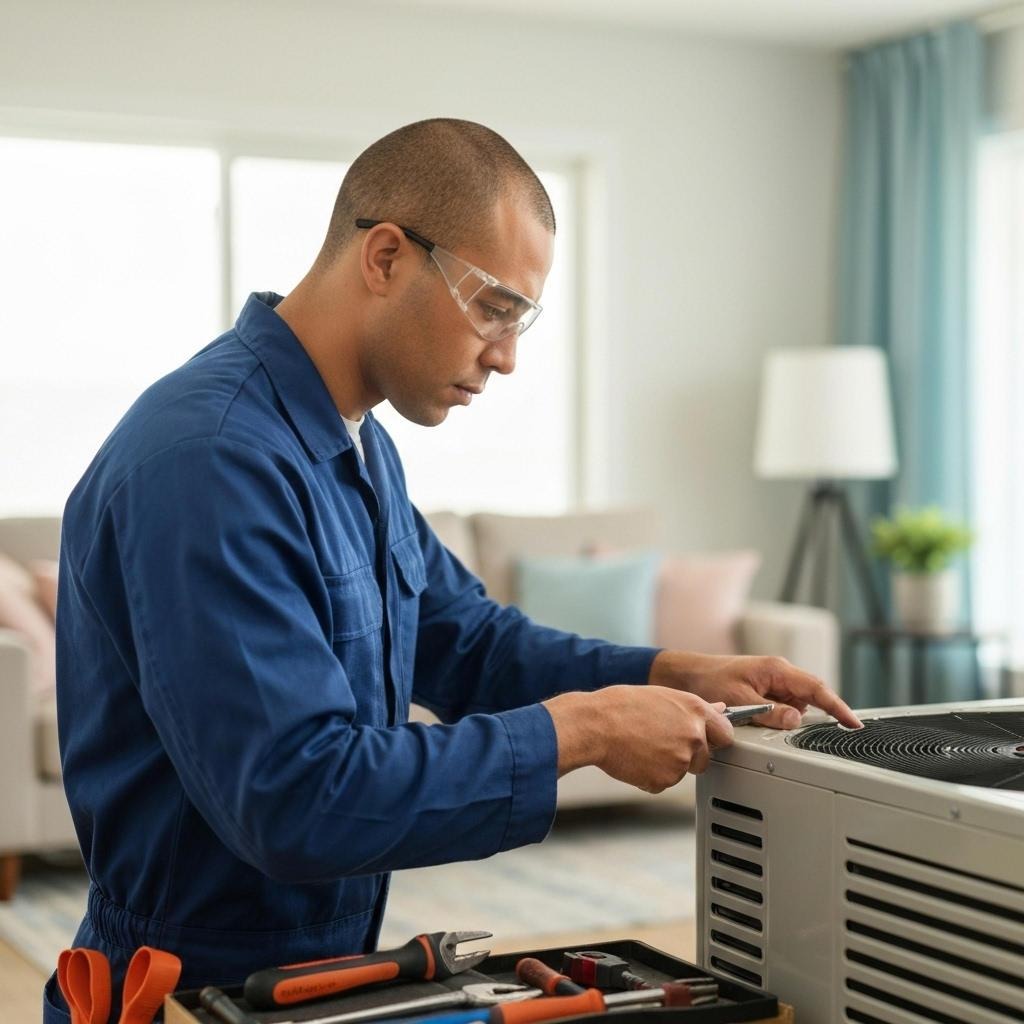
Clean ducts improve airflow and reduce the strain on HVAC equipment. When vents and ducts are clear, systems maintain temperatures with less energy, which can lower utility costs and extend equipment life. Regular maintenance, including filter changes and duct cleaning, helps sustain peak performance.
| HVAC Component | Efficiency Improvement | Impact Level |
|---|---|---|
| Clean Ducts | Enhanced airflow | High |
| Regular Maintenance | Reduced wear and tear | Medium |
| Filter Changes | Improved air quality | High |
Maintaining clean ducts alongside scheduled maintenance can yield measurable efficiency improvements and fewer repairs.
Cost-Effectiveness
Professional duct cleaning involves an upfront cost but can reduce energy bills and repair frequency over time. Proper maintenance helps delay replacements and preserves equipment value, making it a cost-effective part of home HVAC care.
Comfort
By restoring balanced airflow, clean ducts help eliminate cold or hot spots and improve overall comfort. Many homeowners notice steadier temperatures and fewer complaints after service.
Expert Insights
Industry guidance generally recommends professional duct cleaning every three to five years, with shorter intervals for homes with pets, smokers or occupants with allergies. Technicians use high-powered vacuums and brushes; choose a reputable provider, like Quality HVAC, and ask for a clear scope of work.
Impact on Indoor Air Quality
Removing dust, mold and other contaminants through professional cleaning measurably improves indoor air quality, especially in homes with pets or sensitive occupants. Regular cleaning is a practical part of an indoor-air strategy that also includes filtration and ventilation.
Enhancing Energy Efficiency
Clean ducts help HVAC systems run more efficiently, reducing energy use and utility costs. Combined with routine servicing and timely filter changes, duct cleaning supports reliable operation and longer equipment life.
| Cleaning Frequency | Energy Savings | Health Benefits |
|---|---|---|
| Every 3 years | 15-20% | Reduced allergens |
| Every 5 years | 10-15% | Improved respiratory health |
| As needed | Variable | Depends on home conditions |
The table links cleaning cadence to estimated energy savings and likely health outcomes to help plan maintenance.
Frequently Asked Questions
How often should I have my air ducts cleaned?
Most homes benefit from cleaning every three to five years. Increase frequency for pets, smokers or occupants with respiratory issues.
What are the signs that my air ducts need cleaning?
Signs include visible dust at vents, mold inside ducts, worsening allergy symptoms, or persistent uneven heating and cooling.
Can I clean my air ducts myself?
DIY cleaning rarely achieves a thorough result and can risk damage. Professionals use specialized equipment to remove contaminants safely and completely.
What should I look for in a duct cleaning service?
Choose experienced providers with good reviews who use high-powered vacuums and brushes and who explain the process and provide a written estimate.
Are there any health risks associated with dirty air ducts?
Yes. Dust, mold and allergens circulated by ducts can aggravate asthma and allergies. Regular professional cleaning reduces these risks.
What is the cost of professional air duct cleaning?
Costs vary by home size and complexity. Expect a mid-range service price; consider potential energy savings and fewer repairs when evaluating value.
Will air duct cleaning improve my HVAC system’s efficiency?
Yes. Removing buildup improves airflow and reduces equipment workload, which can lower energy use and extend system life.
Conclusion
Professional air duct cleaning offers clear benefits: better indoor air quality, improved HVAC efficiency and greater comfort. As part of regular HVAC maintenance, it helps protect health and reduce long-term costs. Schedule service with a reputable technician to keep your home’s air and system performance at their best.
